The Challenge

Particle beams exhibit an elevated relative biological effectiveness (RBE) compared to photon beams. However, calculating RBE is highly complex; current models, such as LEM and MKM, show uncertainties of up to 30%, and they have not yet been clinically established for proton beams. There is a critical need for more precise predictions regarding effects at the cellular level.

Scientific Approach

The project employs Monte Carlo simulations as an efficient method to characterise the effects of ionising radiation. The focus is on further optimising and experimentally validating complex chemical and biological effects within the Geant4-DNA Monte Carlo code, specifically assessing whether the induction and distribution of DNA damage are accurately represented.

Objectives and Impact

The aim is to facilitate the generation of clinically robust RBE predictions for protons and carbon ions. This will lead to a deeper understanding of radiation effectiveness at the cellular level, enabling more precise dose distribution modelling in cancer patient irradiation.

There are no articles in this category. If subcategories display on this page, they may have articles.

Research Team

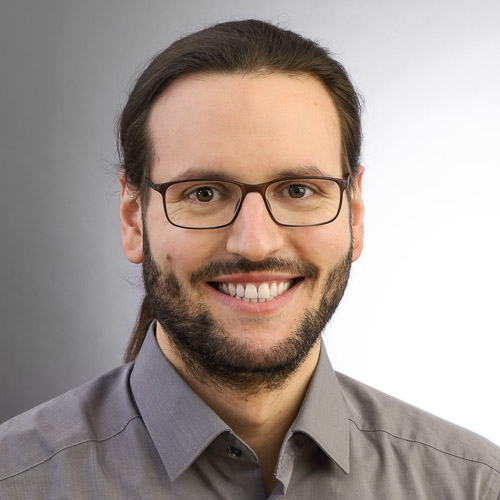
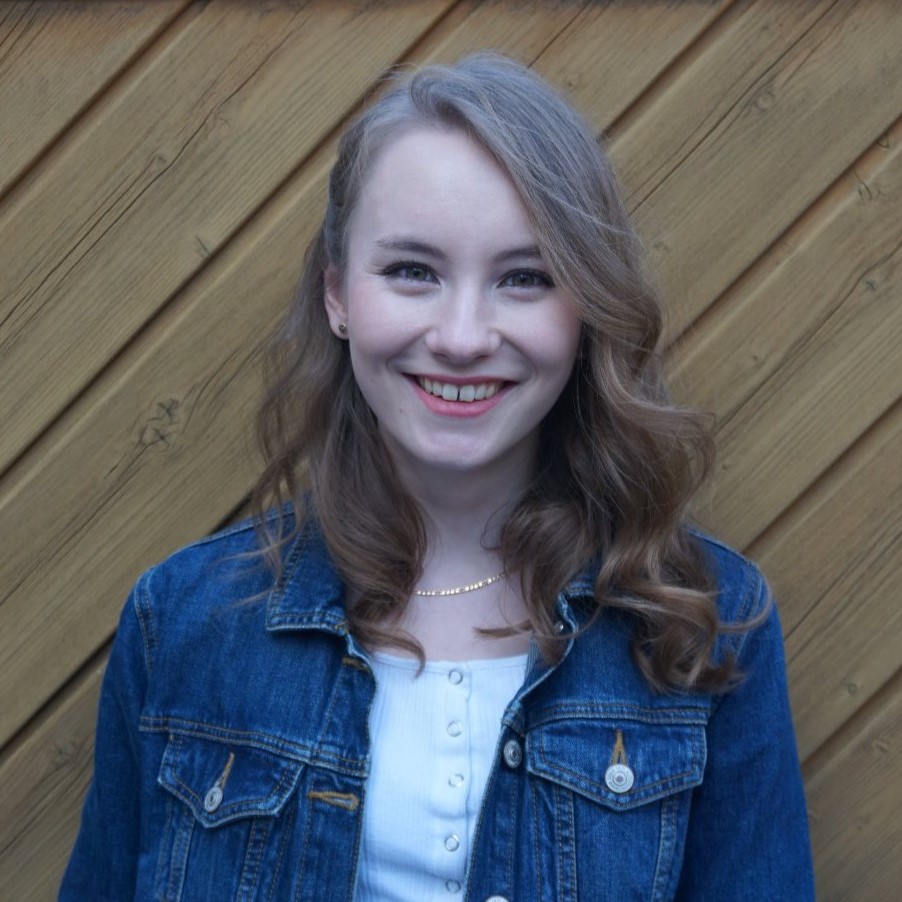
Prof. Dr.
Kilian Baumann
Junior Research Group Leader
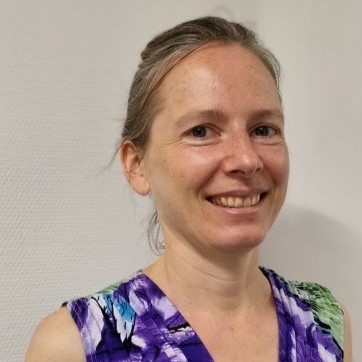
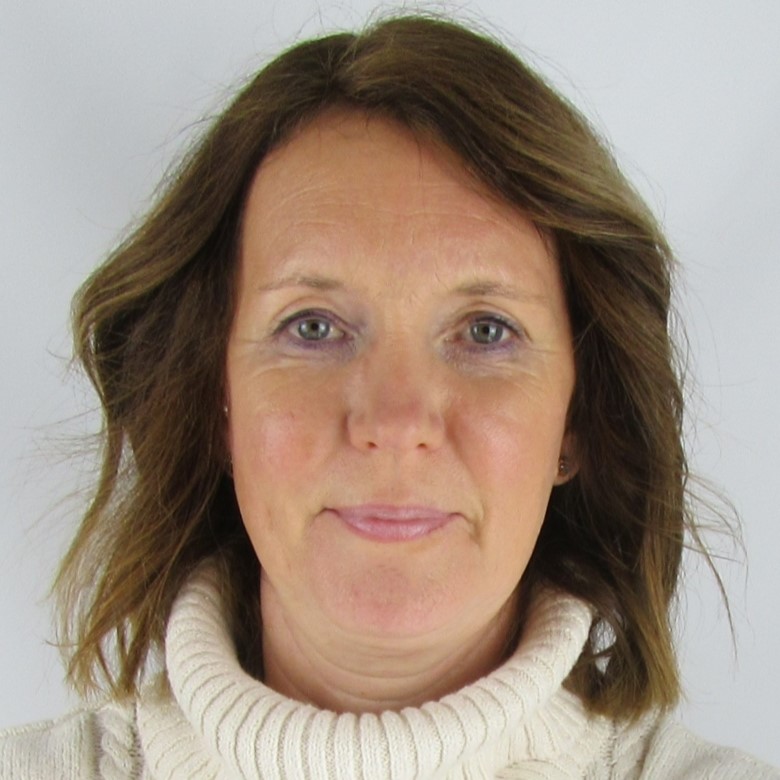
Dr.
Ulrike Theiß
Principal Investigator
Natalie Hornik
PhD student
Claudia Trier
Biological-technical Assistance
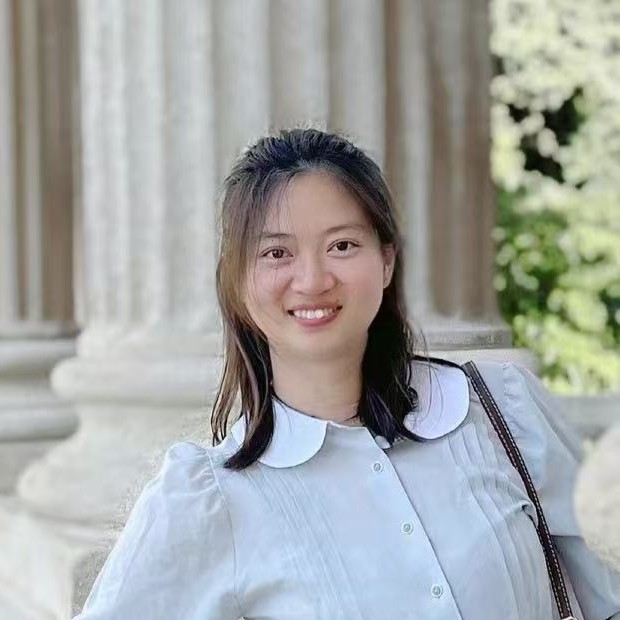
Yating Zhang
Postdoc

Publications

  • Analysis of hydrogen peroxide production in pure water: Ultrahigh versus conventional dose-rate irradiation and mechanistic insights
    Background Ultrahigh dose-rate radiation (UHDR) produces less hydrogenperoxide (H2 O2 ) in pure water, as suggested by some experimental studies, andis used as an argument for the validity of the theory that FLASH spares the normal tissue due to less reactive oxygen species (ROS) production. In contrast,most Monte Carlo simulation studies suggest the opposite. Purpose We aim to unveil the effect of UHDR...
  • Impact of dose rate and its definition on the production of hydrogen peroxide in pure water
    Introduction The clinical interest in particle therapy continues to grow due to its precise dose dis tribution and increased biological effectiveness. Recent attention has focused on ultra high dose rate (UHDR) irradiation, which has been associated with reduced normal tissue toxicity, an effect that is partially attributed to altered radiolysis chemistry. However, most existing experimental...
  • Investigating the impact of the effective point of measurement for plane-parallel ionization chambers in clinical proton beams
    Objective. To investigate the impact of the positioning of plane-parallel ionization chambers in proton beams on the calculation of the chamber-specific factor fQ and, hence, the beam quality correction factor . Approach. Monte Carlo simulations were performed to calculate the chamber-specific factor fQ in monoenergetic proton beams for six different plane-parallel ionization chambers while...
  • Monte Carlo simulation of beam quality correction factor kQ for carbon-ion beams using FLUKA and GATE for selected cylindrical and plane-parallel ionization chambers
    Objective To benchmark Monte Carlo codes FLUKA and GATE/Geant4 regarding the beam quality correction factors of ionization chambers for monoenergetic carbon-ion beams against experimental results by Holm et al (2022 Phys. Med. Biol. 67 49401). Approach Monte Carlo codes FLUKA and GATE/Geant4 were used to simulate the beam quality correction factor kQ for one plane-parallel (PTW 34001) and two...
  • On the Way to Accounting for Lung Modulation Effects in Particle Therapy of Lung Cancer Patients - A Review
    Particle therapy presents a promising alternative to conventional photon therapy for treating non-small cell lung cancer (NSCLC). However, the heterogeneous structure of lung tissue leads to the degradation of the Bragg peak and thereby to the degradation of the dose distribution. This review offers a comprehensive overview of the models developed to account for these modulation effects. It...

News

  • First ADMIT Interdisciplinary Summer School of Medical Physics
    Lisa Kempus
    22.08.2025
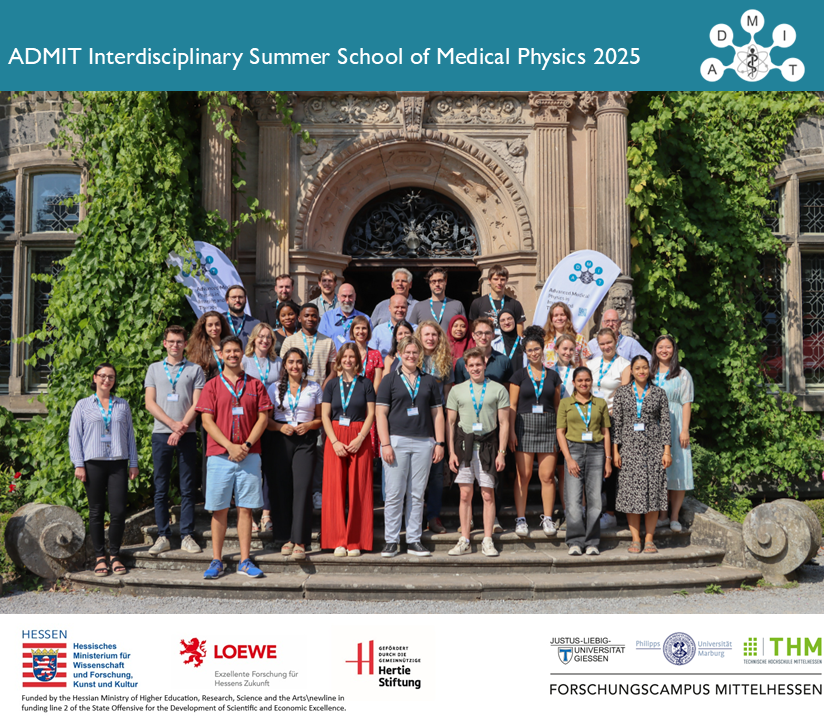
    What an inspiring and motivated group at our first ADMIT Interdisciplinary Summer School of Medical Physics, held from August 19 to 22 at Rauischholzhausen Castle!  The course brought together around 30 early-career researchers in the field of MedicalPhysics. The goal was to offer comprehensive insights into the various fields, as well as networking opportunities and interdisciplinary skills, with a special...
  • ADMIT at the ESTRO2025 in Vienna
    Lisa Kempus
    06.05.2025
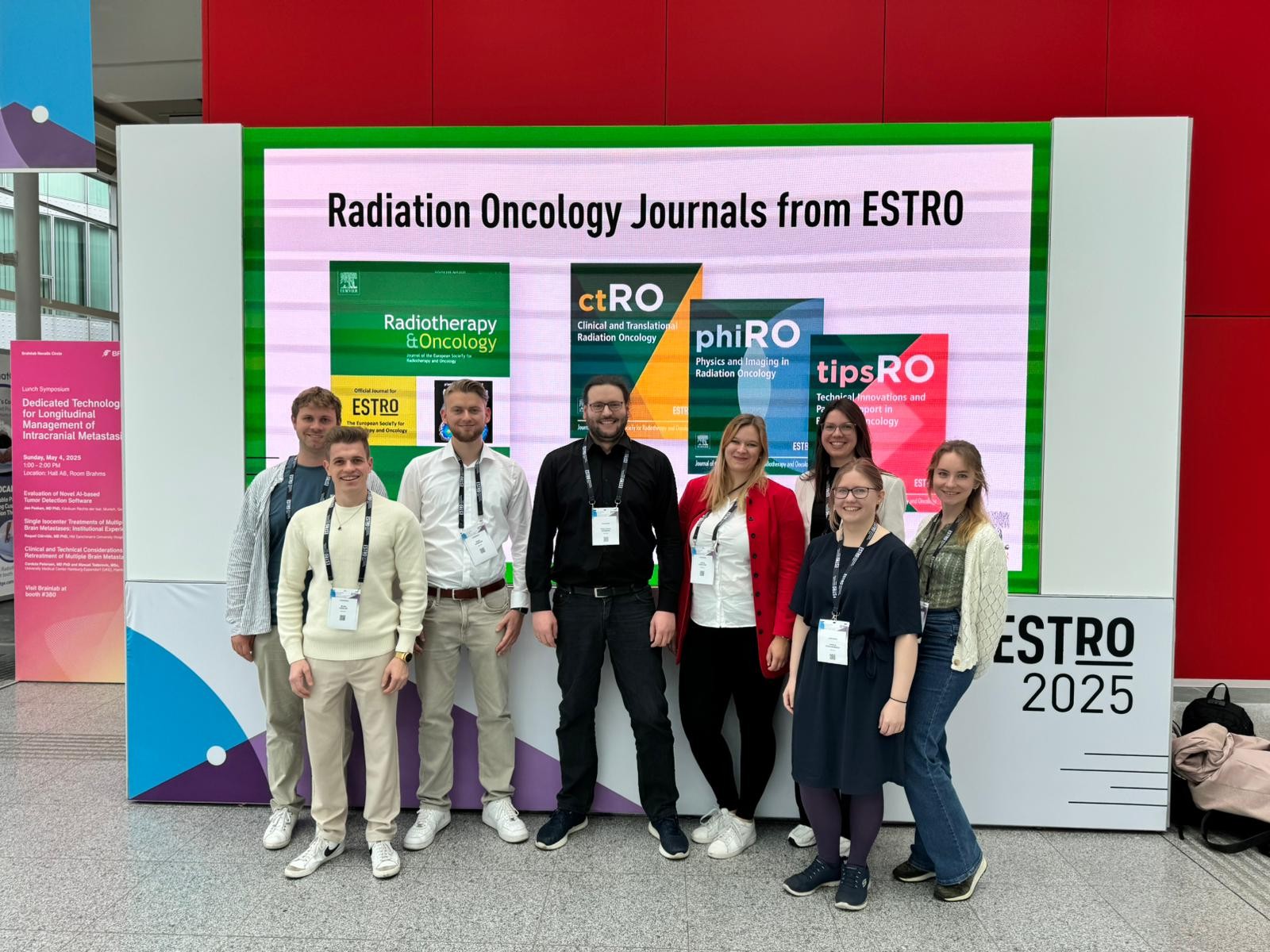
    Our doctoral students and Principal Investigator Kilian Baumann from ADMIT subproject D took part in ESTRO2025 in Vienna from 2 to 6 May. The conference offered a wide range of insights into current developments in radiationoncology. Particularly exciting were contributions on biological modelling and particletherapy - both topics that are of central importance for research in subproject D on...
  • ADMIT in Rome
    ADMIT
    24.01.2025
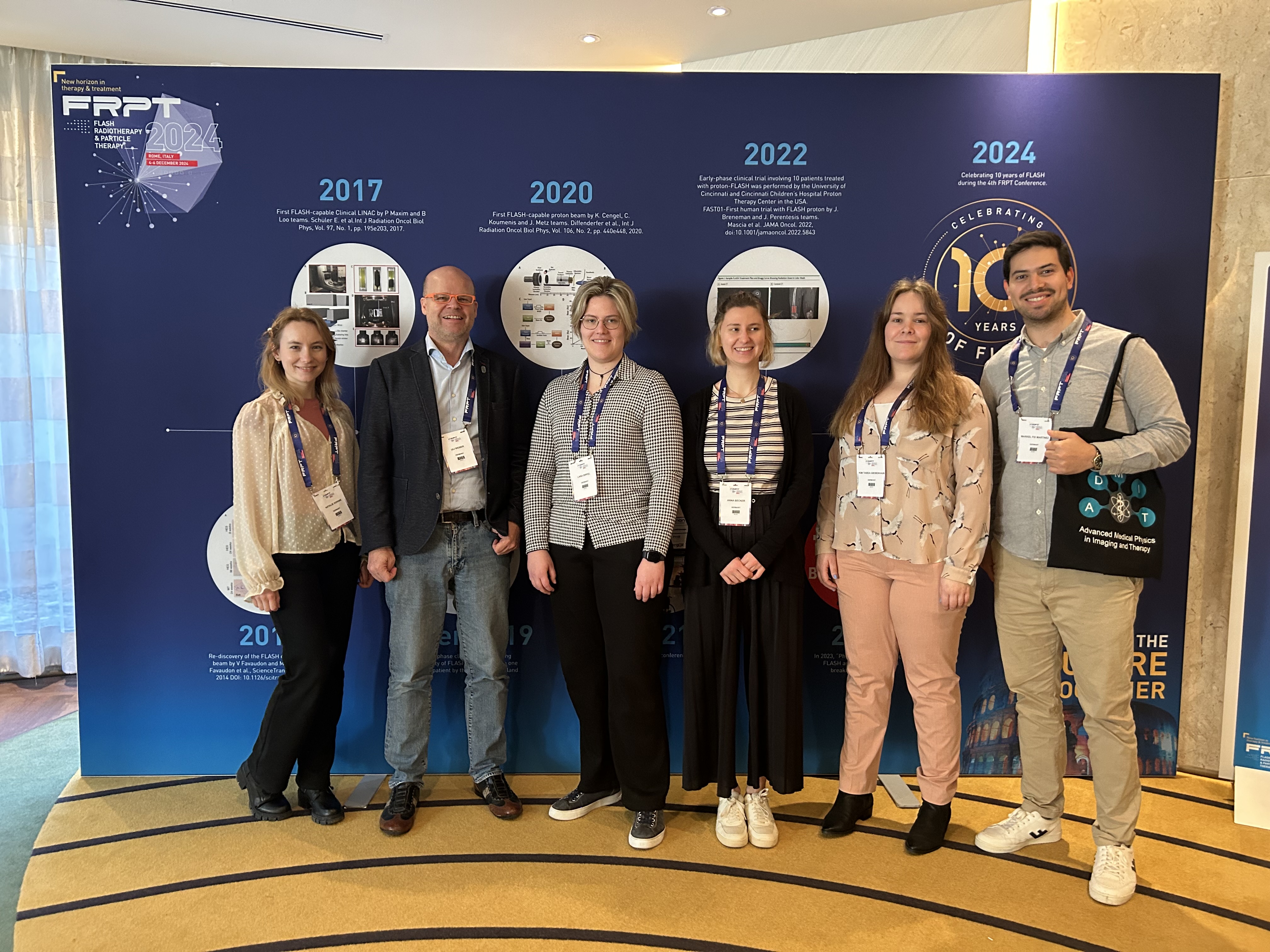
    From 4 to 6 December 2024, our PhD students from subproject A and D took part in the FLASH Radiotherapy & Particle Therapy - FRPT Conference 2024 in Rome, Italy. In its 4th edition, FRPT 2024 focussed on the diverse range of topics related to FLASH therapy. This novel treatment method irradiates tumours with photons or particles using ultra-high dose rates. This not only significantly shortens the...
  • Successful end of our first ADMIT-Retreat
    ADMIT
    24.01.2025
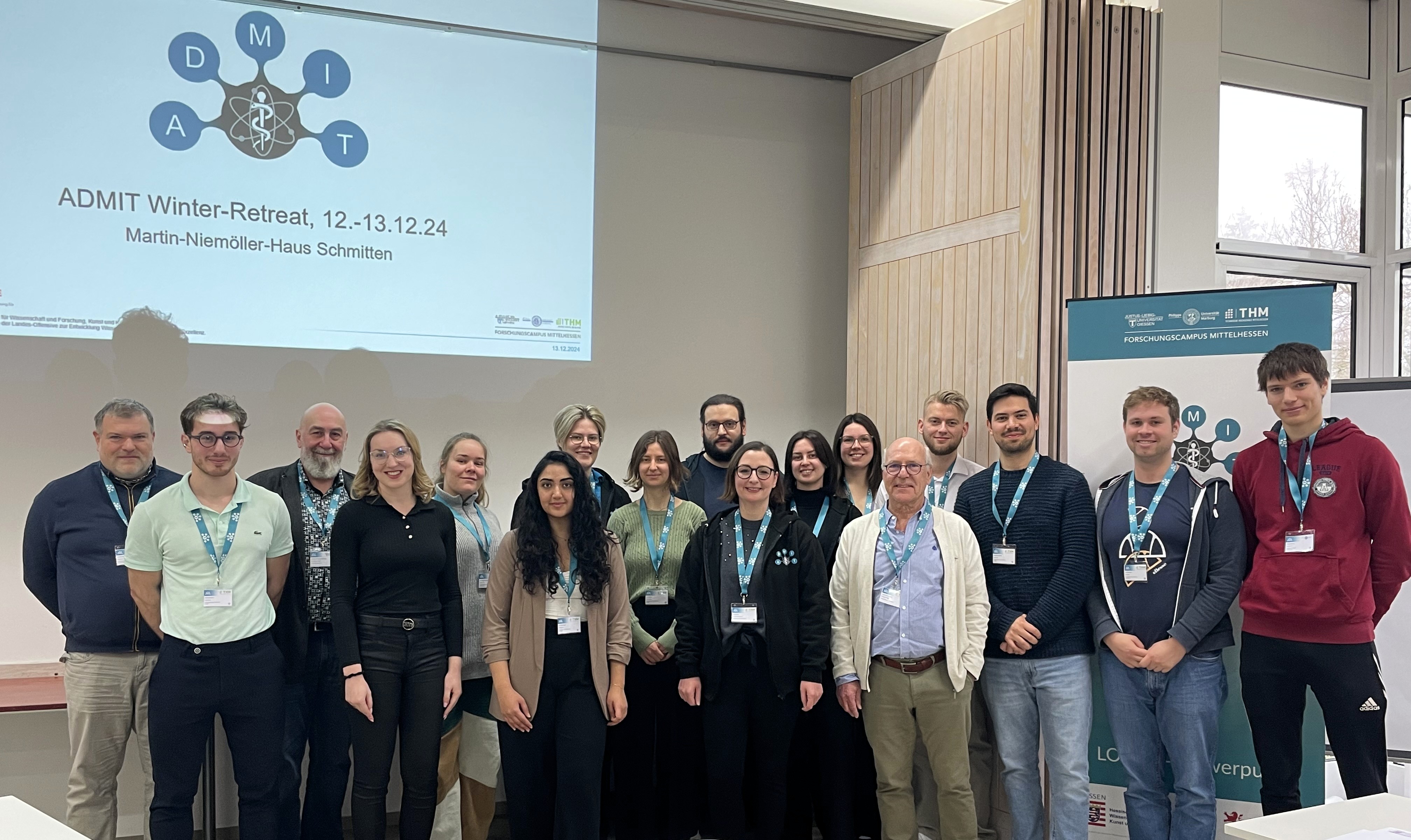
    From 12 to 13 December 2024, the members of the LOEWE Research Cluster ADMIT, in which the three Central Hessian universities of the FCMH (Justus Liebig University Giessen, Philipps University Marburg, University of Applied Sciences) have been working together since the beginning of the year, met for their first joint Retreat at the Martin-Niemöller-House in Schmitten.The focus was on an...
  • Fighting cancer and Parkinson's with medical physics
    Photo: Katrina Friese / ADMIT
    Pressestelle THM
    09.09.2024
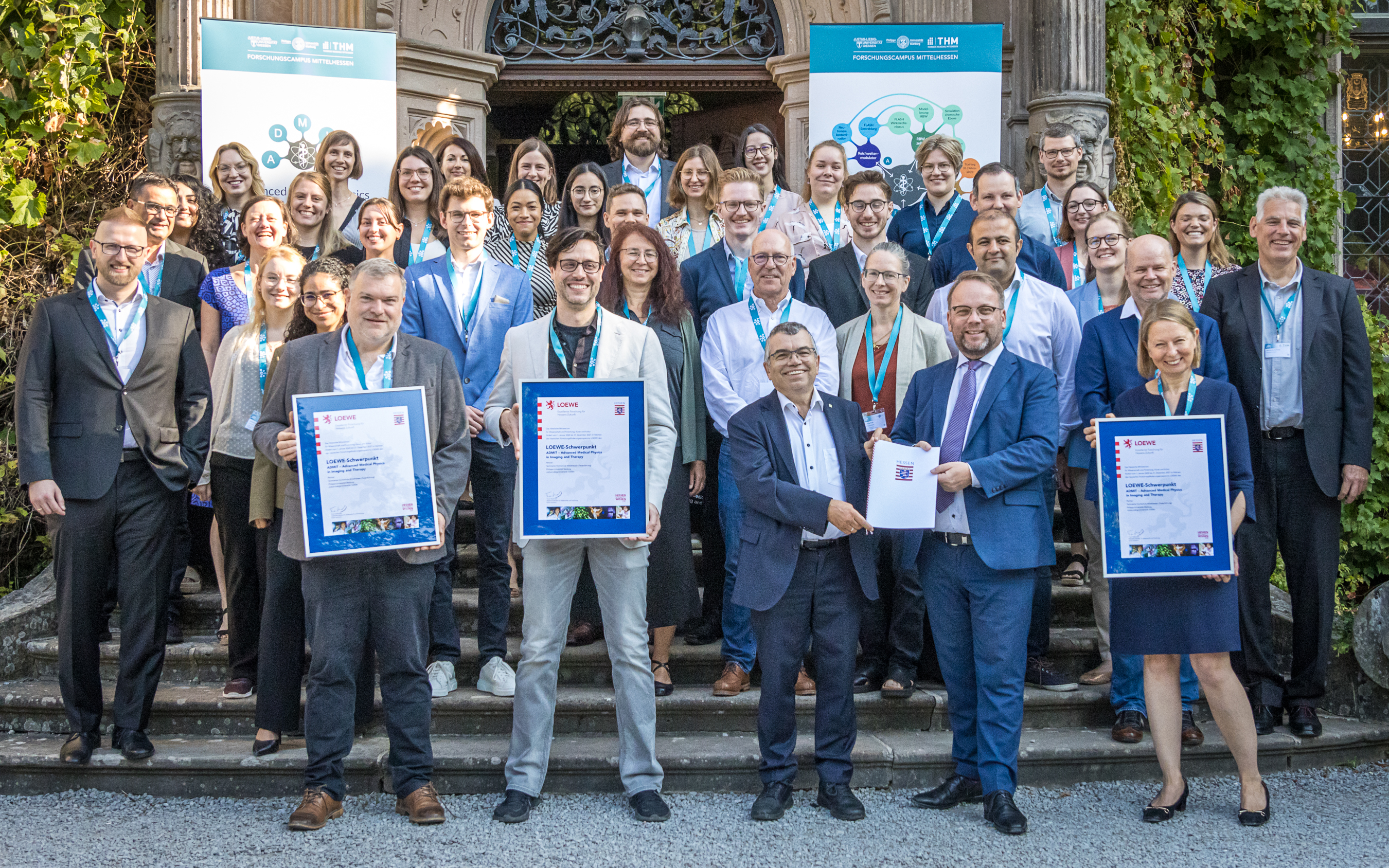
    Cancer and neurodegenerative diseases are among the greatest health and social challenges of today. Under the leadership of the THM the three universities in Central Hesse have been working together on innovative medical physics approaches in the LOEWE Research Cluster ADMIT (Advanced Medical Physics in Imaging and Therapy) since the beginning of the year in order to meet these challenges. At...